
How can the resurgence of memecoin markets in early 2026 be contextualized within the broader cryptocurrency ecosystem, given the notable escalation in trading volumes, social engagement metrics, and cultural recontextualization from ephemeral hype cycles to intricate psychological game theory dynamics, driven by tokens such as Fartcoin, Floki, Pepe, Gigachad, Turbo, and the recently all-time high-breaking BUTTCOIN, whose 259% weekly surge exemplifies the sector’s renewed vigor, while simultaneously highlighting emerging challenges related to ownership concentration, supply inflation, and regulatory scrutiny that collectively underscore the evolving complexity and speculative nature of these digital assets? This phenomenon reflects a pronounced transformation in retail psychology, wherein participants have shifted away from simplistic speculative enthusiasm towards more strategic engagement informed by anticipatory behavior and the assessment of social sentiment indicators that both fuel and mitigate market volatility. Memecoins like Fartcoin and Turbo have shown strong participation and trading activity, which may act as a potential trigger for a larger market rally. However, reaching valuations akin to major cryptocurrencies demands unprecedented capital influx and widespread adoption, placing significant pressure on buy-side demand to counteract early adopters and liquidity provider sell pressure, a dynamic that remains critical for sustained price appreciation in memecoin markets market cap challenges. Moreover, these developments occur amid a landscape increasingly shaped by global regulatory frameworks that emphasize anti-money laundering requirements.
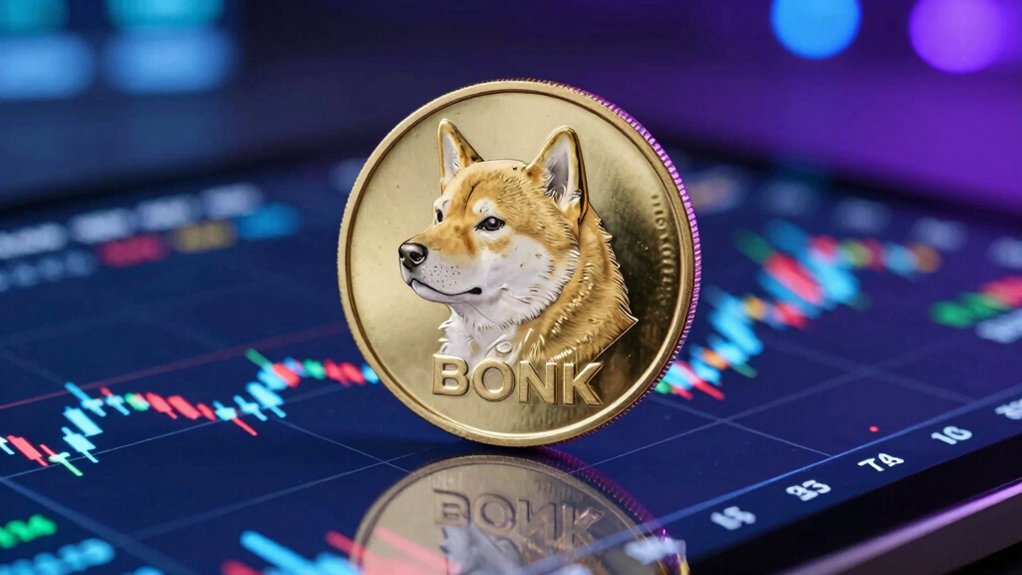
Notably, BONK’s ascent, leveraging the Solana ecosystem’s momentum and burn-centric narrative, epitomizes this shift as its market performance is underpinned by both technical tokenomics and a rapidly expanding user base active across multiple social platforms, thereby melding utility and cultural resonance. The broader memecoin resurgence benefits from enhanced liquidity structures, sophisticated community-building efforts, and rising institutional interest that collectively challenge prior conceptions of memecoin markets as purely whimsical or speculative arenas. However, the inherently precarious nature of these assets persists, with concentrated ownership distribution amplifying susceptibility to price manipulation, while the quadrillions-scale supply figures of certain tokens impose persistent inflationary pressures that demand innovative deflationary mechanisms such as token burns or ecosystem-driven adoption to maintain valuation trajectories.
Furthermore, escalating regulatory risk emerges as a critical dimension, as the amplified volatility and high-profile price surges attract intensified scrutiny from financial authorities poised to impose compliance frameworks aimed at mitigating systemic risk and protecting retail investors from disproportionate exposure. The rapid rotation of capital, exacerbated by narrative fatigue and the emergence of exit liquidity phenomena, underscores the necessity for rigorous risk management strategies among market participants, particularly in light of memecoin markets’ evolving status as experimental laboratories for SocialFi applications and behavioral finance dynamics. Consequently, this resurgence is best understood as a multifaceted interplay of emergent market structures, evolving retail psychology, and intensifying regulatory considerations that collectively redefine the speculative contours and operational intricacies of contemporary digital asset ecosystems.