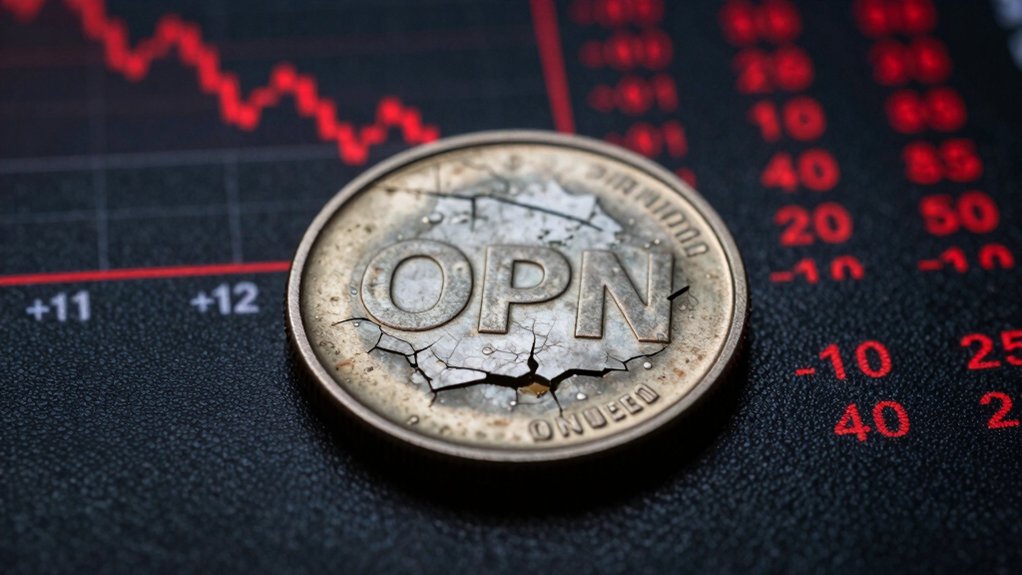

Who, exactly, wields the leverage to catapult Bitcoin beyond the elusive $100,000 threshold—whales, developers, regulators, or institutional titans? Whales, those gargantuan holders of Bitcoin, undeniably possess the muscle to jolt market liquidity, especially during illiquid periods where their sizable buy or sell orders translate into seismic price shifts. Yet, their influence is a double-edged sword; while a recent whale purchase of 309 BTC, valued at $24.68 million, sparked a fleeting $5 million price surge, such maneuvers merely punctuate short-term volatility rather than dictate sustained trends. Institutional traders, ever-vigilant, scrutinize these whale aggregation and distribution patterns, attempting to divine the next market move, yet remain shackled by the ephemeral nature of whale-driven spikes. Meanwhile, miner incentives, those economic levers ensuring network security through block rewards, subtly counterbalance market dynamics, tethering supply with a rhythmic certainty that neither whales nor traders can easily disrupt. Additionally, the introduction of Bitcoin spot ETFs has the potential to significantly increase institutional interest and capital inflows, which could provide a more sustained push towards and beyond the $100,000 mark by enhancing market liquidity and investor confidence institutional interest. The quarter also saw notable ETF fund flows and derivatives dynamics that influenced institutional positioning ETF fund flows. Beyond trading dynamics, the broader blockchain ecosystem is evolving with integrations that enhance security and transparency, which may indirectly impact Bitcoin’s market perception through blockchain applications.
Developers, the architects of Bitcoin’s protocol, wield a different kind of influence—one measured in years rather than minutes. Their painstaking efforts to enhance scalability and security, epitomized by landmark upgrades like Taproot, rarely send prices into orbit but lay the indispensable groundwork for Bitcoin’s evolution. By engineering protocol resilience and utility, they indirectly bolster investor confidence, even as their innovations provoke temporary volatility due to market uncertainty or speculative optimism. Far from puppeteers, developers shape the environment in which Bitcoin’s price drama unfolds, their subtle hand often overshadowed by more conspicuous market actors.
In this tangled web of influence, it’s clear that no single faction monopolizes Bitcoin’s ascent; instead, a cacophony of forces—whales manipulating market liquidity, developers refining the protocol, and miner incentives maintaining network integrity—interact with relentless complexity, frustrating simplistic narratives and those impatient for a clean breakout beyond $100,000.