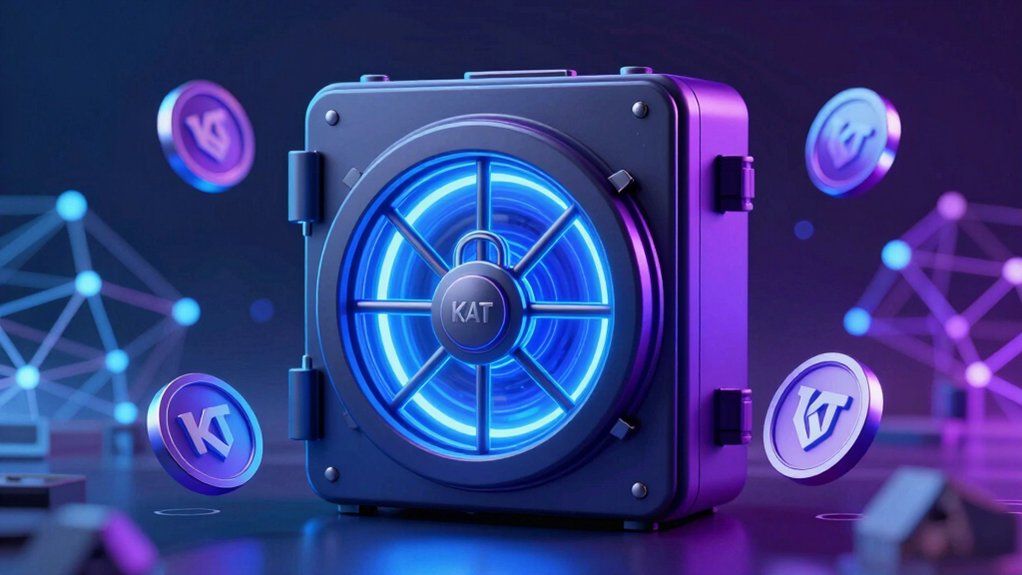
What implications does the launch of a 50 million KAT token farming initiative by KATana—a DeFi-centric Layer-2 solution built on Ethereum’s optimistic rollup architecture—hold for the project’s TVL and broader ecosystem sustainability, considering that the farming period spans from March 3 to March 16, 2026, distributing 0.5% of the total supply, and is accessible through a maximum individual subscription limit of 5 million vbUSDC via the Katana vbUSDC Vault in Binance Wallet; this event not only serves as a critical stress test for KATana’s thesis of converting network fees into deep liquidity and sustainable yields but also integrates strategic incentives aimed at catalyzing early-stage infrastructural growth, thereby potentially redefining DeFi liquidity paradigms within high-throughput, low-latency blockchain environments? Airdrops, as common marketing tools in the crypto space, often complement such farming initiatives by building buzz and cultivating devoted communities. Within this context, the TVL methodology employed by KATana necessitates rigorous scrutiny, as the inclusion of vbUSDC-based subscriptions denominated through a Binance Wallet interface introduces a quantifiable, yet non-traditional asset valuation dynamic that challenges conventional liquidity aggregation metrics by factoring in a tokenized vault system while simultaneously reinforcing a seamless user experience (UX) that mitigates entry friction for participants, thereby enhancing capital inflow reliability and retention in a manner aligned with Layer-2 transactional efficiencies. Notably, this initiative coincides with increased institutional interest in Layer-2 solutions, as evidenced by growing derivatives activity on platforms like Binance, which recently announced a KAT/USDT futures market launch. Additionally, open-source information indicates that the project is preparing for an upcoming token launch, although no exact Token Generation Event (TGE) date is currently disclosed.
The integration of farming rewards that constitute 0.5% of the total KAT supply, distributed post-token generation event, embodies a dual-purpose mechanism designed to demonstrate the ecosystem’s capacity to convert transaction fees into measurable liquidity depth, which, when combined with KATana’s reported throughput of approximately 2,000 transactions per second and sub-two-second confirmation times, exemplifies a robust platform capable of supporting scalable, real-world DeFi applications and gaming environments. Many projects verify participant eligibility carefully before distributing tokens to ensure fair and effective reward allocation. The deployment of a capped individual subscription threshold of 5 million vbUSDC serves as a deliberate control variable within the TVL framework to prevent disproportionate concentration risks, thus fostering a diversified liquidity base that underpins long-term ecosystem health. Moreover, the user experience implications inherent in utilizing Binance Wallet’s keyless infrastructure for farm access reduce onboarding complexity and contribute to higher engagement rates, which are instrumental in achieving sustainable yield generation and maintaining an active user base critical for network effect perpetuation.
Consequently, this farming initiative represents more than a straightforward incentive distribution; it embodies a sophisticated validation of KATana’s economic model, where tokenomics, liquidity provisioning, and transaction cost recycling coalesce into a coherent operational paradigm, which, if successful, could recalibrate industry expectations of liquidity sustainability within high-throughput, low-latency DeFi infrastructures, thereby influencing subsequent architectural and incentive design standards in the Layer-2 domain. Participants must remain cautious of potential security risks and verify project legitimacy before engaging in such ventures to protect their assets effectively.