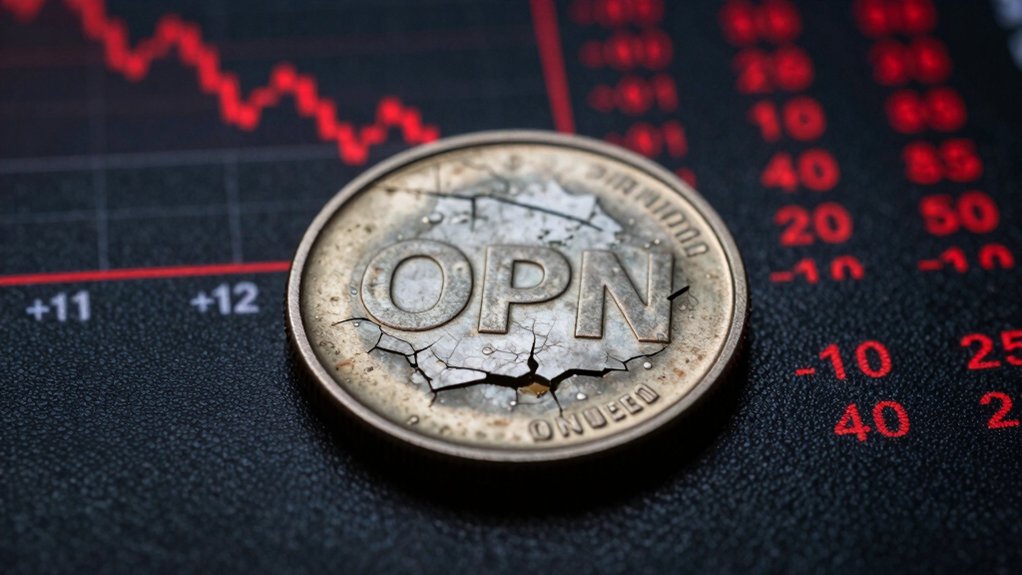

What underpinned the precipitous decline in Opinion (OPN) token valuations from a pre-market peak of $45 to a mere $6 at the token generation event (TGE) can be chiefly attributed to the revelation concerning the constrained tokenomics that allocated only 3% of the total 1 billion token supply for immediate release in the first quarter, a disclosure which substantially undermined prior market optimism and precipitated a cumulative depreciation exceeding 85%, thereby exposing a discordance between initial speculative enthusiasm fueled by low circulating supply-induced price surges and the subsequent secondary market’s reassessment of intrinsic value in light of unlock schedules, vesting periods, and comparatively modest initial airdrop allocations, all of which collectively contributed to an erosion of community trust and investor confidence within the nascent ecosystem. The reserve allocation strategy, which designated only 3.5% of the tokens as unlocked at TGE with the lion’s share subjected to a seven-month lockup, engendered contradictory incentives, wherein market participants’ anticipations of liquidity and immediate returns clashed with the protracted vesting framework promulgated by Opinion’s governance, thereby inducing pronounced selling pressure upon token listing and a marked retracement in point valuations. Opinion’s early growth was driven by a market-based mechanism aggregating signals from news, surveys, and experts to derive real-time probabilities. Notably, the airdrop was qualified through staking BNB on Binance TR, which began days prior to the token listing. This dynamic mirrors broader investment strategies that emphasize balancing risk and reward through diversified portfolio approaches.
Airdrop mechanisms, comprising 23.5% of the total supply but with a mere 3% distribution scheduled in the initial quarter, failed to satisfy expectations cultivated by the pre-TGE valuation surge, as exemplified by anecdotal accounts of significant input costs—one blogger’s $200,000 investment yielding token returns valued at $1,000—illuminating the asymmetry between farmed point expenditures and realized token remuneration, thereby crystallizing community disillusionment. Secondary market actors incorporated these revelations into price discovery, adjusting downwards from inflated pre-market levels that were initially buoyed by low effective circulating supply, underscoring a fundamental misalignment between speculative fervor and the actual utility-derived demand pertaining to the protocol’s ecosystem incentives, marketing allocations, and liquidity provisions, which collectively aggregated to encompass approximately 25% of the supply beyond immediate circulation.
Consequently, this misalignment fostered a dynamic where contradictory incentives between token holders intent on immediate monetization and long-term ecosystem sustainers emerged, complicating price stability and undermining the anticipated benefits of Opinion’s governance token model, thereby revealing a critical need for recalibration in reserve allocation and token release cadence to restore confidence, enhance transparency, and better harmonize stakeholder interests within the emergent prediction market platform milieu.