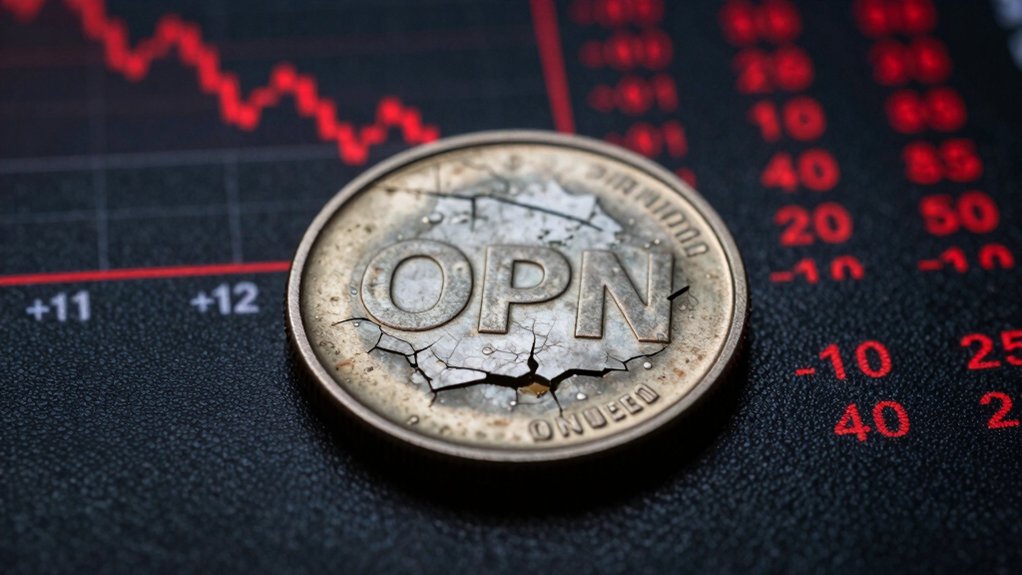

How could a man convicted of orchestrating one of the most audacious financial frauds in modern history, siphoning billions through FTX and Alameda Research, already see his prison sentence slashed? Sam Bankman-Fried, once a crypto kingpin, saw his 25-year sentence reduced to 21, with a release date set for December 2044, thanks to good behavior credits, pre-sentencing detention, and prison program participation. This isn’t justice—it’s a slap in the face to victims who lost everything. While he lounges in a lower-security California facility, having been moved from New York, the question looms: does the system even care about accountability, or is this just another loophole for the elite?
Dig deeper, and the stench of unfairness grows. Prison Reform, often touted as a path to rehabilitation, here feels like a get-out-of-jail-early card for a billionaire fraudster, not a reformed soul. Should good conduct erase the pain of billions stolen? Hardly. Meanwhile, Investor Sentiment in the cryptocurrency sphere remains understandably shattered, with trust in exchanges at rock bottom after FTX’s 2022 collapse. Who’d gamble on a market where architects of ruin get leniency? The financial community, seething with mixed outrage and resignation, debates if this signals open season for fraud—if you’re rich enough, that is. Additionally, the scale of the fraud, amounting to 11 billion dollars, underscores the devastating impact on thousands of users who trusted FTX. His transfer to a lower-security prison in California, reportedly influenced by personal circumstances like autism, further fuels the perception of preferential treatment lower-security transfer. The history of crypto exchange hacks, like the infamous Mt. Gox collapse, only deepens the distrust in an industry already scarred by major security breaches.
Public fury, amplified on social media, brands this reduction a travesty, while media coverage fuels the fire, dissecting every angle of this mockery. Globally, eyes are on this case, not just for its financial ripple but for what it says about justice. Caroline Ellison, tied to Alameda, faces release in 2026—another disparity. So, tell us, system: when does punishment fit the crime, or are we just playing a rigged game? Answer that.