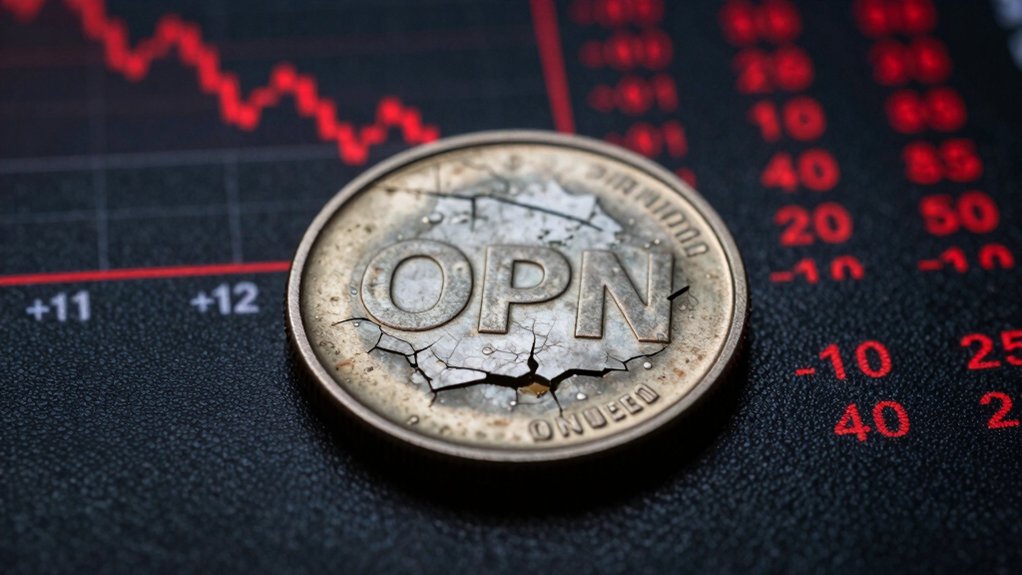

Where does genuine wealth end and mere illusion begin in today’s economic theater? The modern economy, dazzled by market expectations, often confuses speculative fervor for true prosperity, mistaking asset illusions for tangible value. Pseudo-wealth, a term that should unsettle any discerning observer, embodies this exact fallacy: perceived wealth detached from productive assets, inflated solely by collective belief rather than grounded economic fundamentals. Cryptocurrency valuations and meme coins, the poster children of such illusions, epitomize the dangerous volatility wrought by belief systems untethered from actual resource generation. These digital mirages, buoyed by fervent speculation, distort consumption patterns and misallocate capital, undermining economic stability in favor of fleeting enthusiasm. This phenomenon arises because pseudo-wealth is derived from expected gains on bets, not from actual increases in productive capacity, creating an illusion that can fuel unsustainable spending and resource misallocation. Blockchain technology, however, offers a way to create immutable digital footprints that link value to real-world assets, potentially grounding some economic activity in verifiable reality.
The financial markets’ architecture exacerbates this phenomenon, amplifying divergent expectations into booms and busts that ripple through the real economy. When the masses buy into these illusions, swayed by hype rather than substance, the ensuing wealth fluctuations translate into tangible societal consequences—job insecurity, investment missteps, and destabilized welfare. The fact that the rise and fall of digital asset valuations can materially affect societal well-being starkly exposes the fragility beneath the glittering surface of modern finance. Despite high productivity, manufacturing wages often fail to reflect true value, revealing the wage mirage behind supposed economic strength.
In this context, the archetype of a 500,000 BC “crane operator” lifestyle—rudimentary, tangible, labor-based—stands in jarring contrast to today’s ephemeral digital wealth fantasies. While that ancient existence was grounded in direct interaction with physical resources, today’s economic players chase shadows, mistaking speculative paper for genuine value. Such illusions demand accountability, lest society continue to gamble on market expectations divorced from underlying realities, perpetuating cycles of boom, bust, and disillusionment. The mantra “Buy Bitcoin” echoes not as a call to build genuine wealth, but as a siren song luring the unwary into the pit of asset illusions.