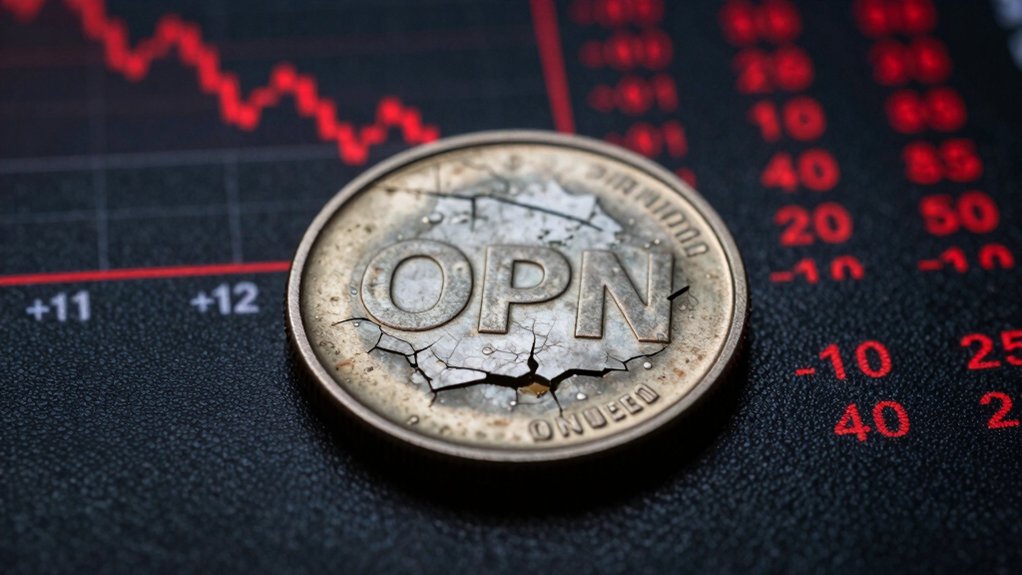
How and why the domestically concentrated “Kimchi coins” have begun to lose traction can be traced to an interplay of regulatory tightening, structural market frictions and shifting investor preferences, as evidenced by volatile Kimchi Premium dynamics, receding fiat liquidity and the migration of activity toward crypto-to-crypto venues; regulatory measures enacted in 2025—stricter compliance regimes, reinforced capital controls and revised taxation—precipitated episodic negative premiums and institutional sell-offs that not only compressed arbitrage profitability by introducing 3–4% hidden cross-border costs but also amplified market fragmentation, thereby undermining liquidity for exchange-exclusive tokens even as KRW-denominated trading volumes positioned South Korea as the second-largest market globally. Regulatory compliance burdens, imposed with an explicit intent to curb illicit flows and protect retail savers, have raised operational costs and compliance overhead for domestic exchanges, thereby reducing market-making capacity and increasing bid-ask spreads for locally listed tokens, while market fragmentation across disparate trading venues has diluted order depth and complicated price discovery for Kimchi coins. Market participants observed that the Kimchi Premium, which swung between negative and positive extremes in 2024–2025, not only reflected speculative retail demand and short-term arbitrage but also transmitted policy signals, as temporary Kimchi Discounts accompanied institutional deleveraging triggered by capital flow restrictions, reinforcing perceptions of elevated jurisdictional risk. Concurrently, structural shifts in trading patterns, evidenced by a 12% contraction in crypto-to-fiat activity alongside a greater than 280% expansion in crypto-to-crypto volumes, signaled investor migration toward global assets and cross-token liquidity pools, a movement that benefited internationally recognized cryptocurrencies while marginalizing exchange-exclusive projects that lacked cross-border liquidity and institutional backing. Despite South Korea’s substantial KRW trading volume, approximately $663 billion by mid-2025, and high household crypto ownership, local innovation in DeFi and stablecoin adoption remained constrained by centralized trading dominance and regulatory uncertainty, factors that inhibited DEX-driven network effects and product diversification. As a result, Kimchi coins face an uncertain trajectory, beset by elevated compliance costs, persistent market fragmentation and evolving investor preference toward globalized liquidity, suggesting that only coordinated regulatory relaxation or improved cross-border settlement infrastructure would materially restore their competitiveness. The recent trend was also shaped by institutional behavior, with large investors exerting outsized influence through episodic inflows and outflows that drove premium swings and liquidity shifts, a dynamic underscored by institutional activity. Additionally, broader macro factors such as currency depreciation and capital controls contributed to pricing disparities, notably the Wons depreciation that raised local acquisition costs and pressured domestic valuations.