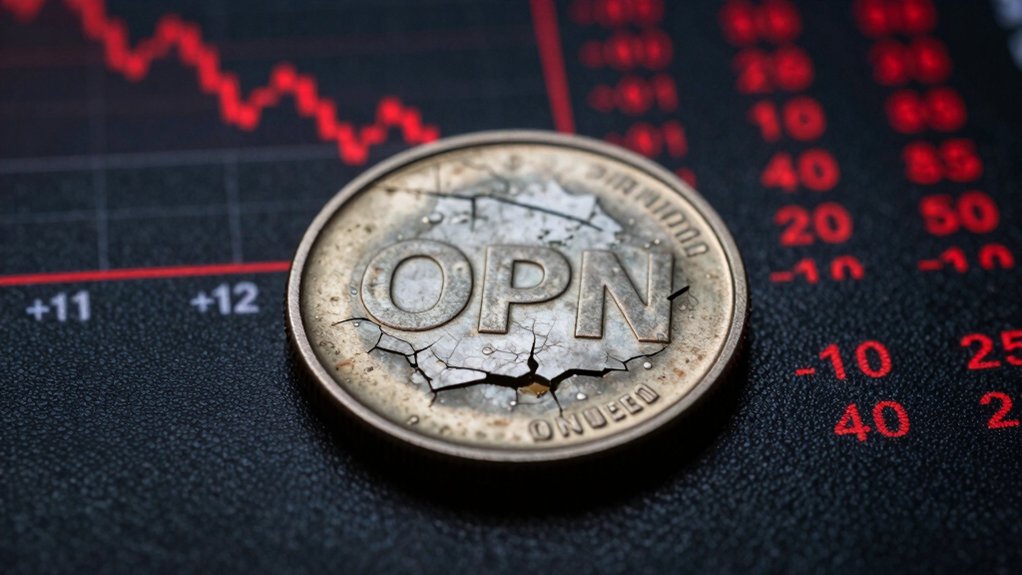
Plunging through a key psychological threshold, Bitcoin breached the $90,000 mark for the first time in approximately one year, trading as low as $89,259 on November 18, 2025, and hovering near $93,000 by Monday morning, a decline of roughly 25 percent over six weeks that not only erased year-to-date gains but also represented a substantial reversal from the early October all-time high above $125,000, a contraction driven by a confluence of profit-taking, macroeconomic headwinds associated with expectations of a less accommodative Federal Reserve, and a cascade of forced liquidations precipitated by geopolitical policy shocks — specifically the announcement of 100 percent tariffs on Chinese imports — which together accounted for unprecedented market stress, a greater-than-$1 trillion diminution in total cryptocurrency market capitalization, and heightened volatility across major tokens including Ethereum and Solana. Observers noted that the immediate market response to the tariff announcement produced one of the largest liquidation events on record, with over 1.6 million traders impacted according to CoinGlass metrics, and that the half-trillion-dollar intraday loss underscored the fragility of leveraged positions within a market dominated by concentrated liquidity and speculative flows. Market participants assessed the Regulatory Impact of rapid policy shifts and anticipatory compliance behavior, observing that regulatory uncertainty amplified risk premia, induced margin calls, and complicated custodial risk management strategies, while also prompting conversations among institutional actors regarding governance, reporting standards, and cross-border capital controls. Concurrently, analysts examined Mining Economics, noting that the lower price environment compresses miner margins, increases incentives to consolidate operations, and may accelerate short-term sell pressure as miners liquidate holdings to cover operational and financing costs, a dynamic that interacts with network hash rate adjustments and fee market behavior to influence short-term liquidity. Moreover, the rising significance of energy efficiency in mining operations is prompting some miners to seek cheaper renewable power sources to sustain profitability under these conditions. Sentiment measures reflected extreme fear, with a risk-off posture permeating correlated equity and technology sectors, yet long-term observers contextualized the decline within historical cyclical patterns that have previously culminated in recovery phases following deep drawdowns, implying that stabilization around the $90,000–$93,000 range could presage consolidation, contingent upon macro policy clarity, tariff de-escalation, and renewed liquidity inflows. Analysts also highlighted that past cycles have seen ~75% declines after record highs, a historical pattern some investors cite when assessing potential downside and timing for accumulation. Traders also pointed to the earlier ETF flow reversal, noting recent outflows from ETFs as an additional pressure on prices.